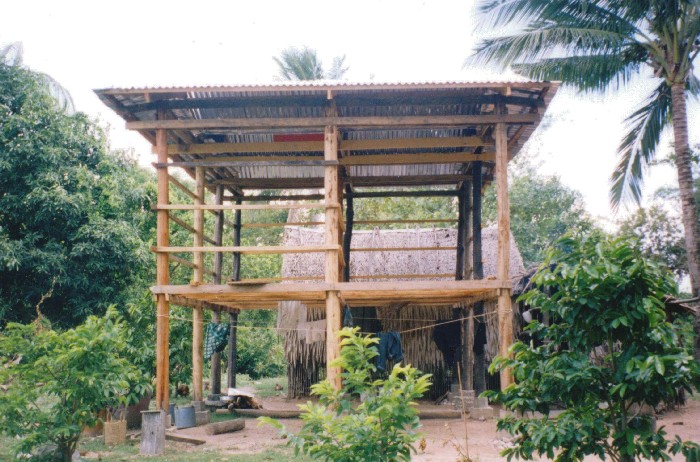
 As a result of casework, several of the poorest families have been able to save to build new houses. |
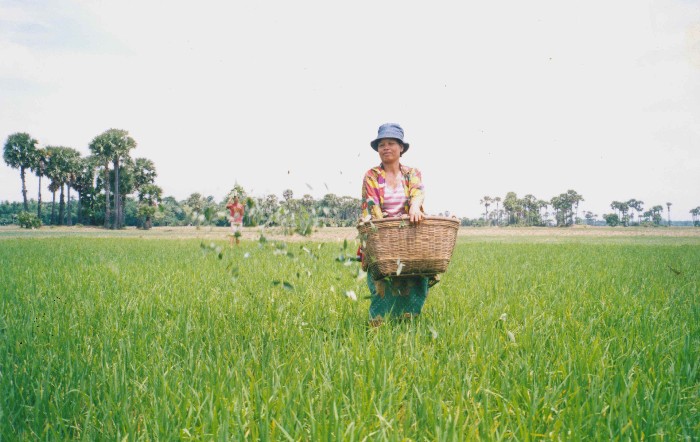 17 farmers are now experimenting with techniques to improve rice yields while reducing the use of chemicals. |
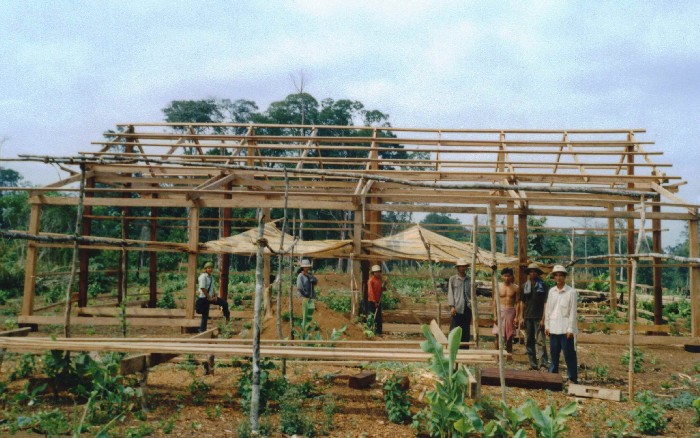 SADP provided seed money for the construction of this school |
|
COMMUNITY DEVELOPMENT Community development encompasses a range of activities aimed at improving the living situation in communities. Community development is facilitated by our work in natural resources management, and our work to empower women and indigenous people helps them to play leading roles in community development work and ensures that development activities benefit them. We are helping communities and individuals make the most of their potential and thus contribute to their own development. The poorest families are often inhibited by a lack of motivation, hope, and self-confidence which prevent them from making good use of the resources they have available to them. Many feel that no matter how hard they work, they will always be poor, and do not let themselves dream of a better future. Communities often wait for outside assistance rather than making the most of their own resources. We are:
Community fisheries and forestry associations are active in mobilizing resources for the development of communities. This year, with minimal support from SADP, communities built 10 wells, three schools, three bridges, and four “rice banks”, and 47 farmers dug ponds. Self-help groups have been organized in all of the areas where we are active, and many of them have begun building up savings. Buddhist monks have become more active in community development activities. Over 300 farmers are now using new agricultural techniques, and 21 villagers were trained this year in veterinary skills. As a result of casework, many of the poorest families have begun to turn their lives around, and now have clear plans for their families that can provide direction in their lives.
|
| Return to home |