|
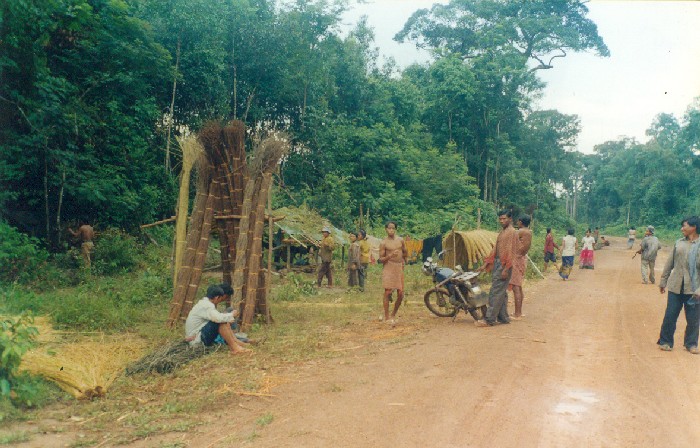
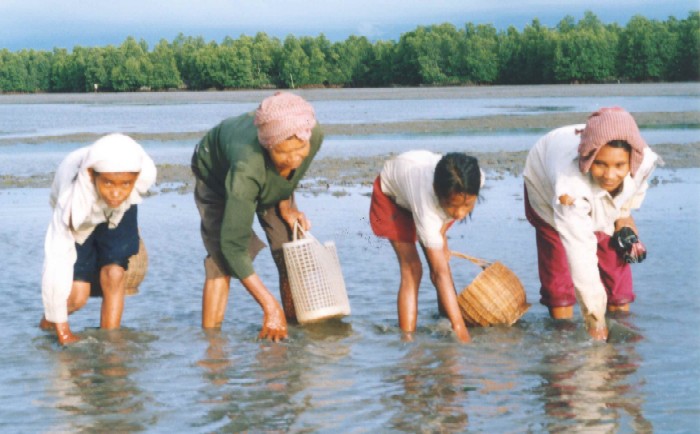
NATURAL RESOURCES MANAGEMENT Cambodia is rich in natural resources such as forest products and fish. The percentage of land still forested is higher than in most other countries in the region, and the collection of forest products continues to be of great importance to local communities. Due to the unique ecology of the Tonle Sap Lake and Mekong River system, Cambodia’s freshwater fisheries are the fourth most productive in the world. During the past decade, the concepts of community fisheries and community forestry have developed as a way to enable local communities to play an active role in managing natural resources. We have supported projects to facilitate the development of community forestry associations in Prey Veng, Kompong Thom, Kompong Chhnang, Preah Vihear, Kratie, and Stung Treng Provinces, and community fisheries associations in Kompong Chhnang, Takeo, and Kampot Provinces. We are:
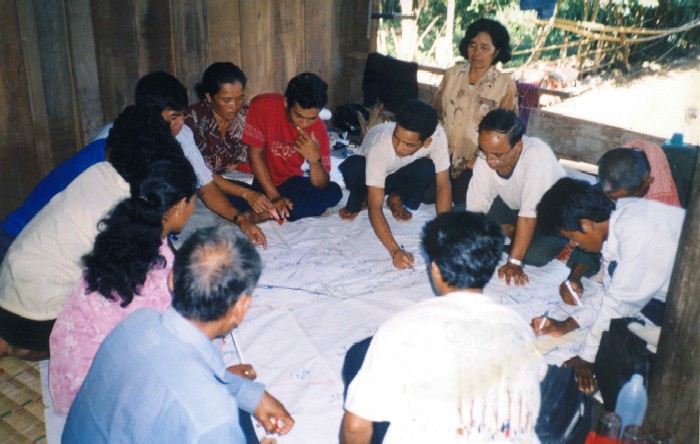
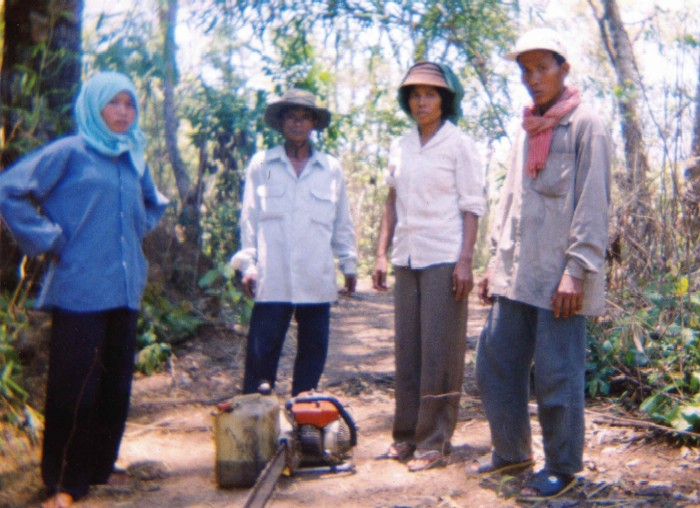
In all of the project areas, communities have elected committees and developed by-laws and regulations, and are playing an active role in managing the natural resources and stopping illegal activities. Illegal logging has stopped almost completely in the project areas in Kompong Chhnang and in parts of Stung Treng, and has decreased in parts of Kompong Thom, Kratie, and Stung Treng Provinces. Support from and cooperation with local authorities and Fisheries and Forestry officials has increased considerably. In several project areas, provincial Forestry officials have agreed in principal to allocate areas for community forestry.
|
| Return to home |