



Professor Cécile Ané

PhD 2000, Probability, University of Toulouse, France
Professor in the Department of Statistics at the University of Wisconsin-Madison
Affiliate of the Department of Biology
Affiliate of the Data Science Institute
George Box Distinguished Chair in Statistics
Director of the
Statistical Consulting Group,
Member of the Institute for Foundations of Data Science,
of the quantitative biology initiative
QBI,
Genomic Sciences training program GSTP and
Wisconsin Evolution.
I want a research group where each individual is valued and supported, so that each member can reach their full potential. I absolutely stand by the diversity statements of the Statistics department and of UW-Madison.
news highlights:
- Sept 2026: Data Impact Forum: a showcase of UW-Madison data consultancies & services, including our own Statistical Consulting Group. connecting research through data.
- July 2026: launch of our college of Computing and Artificial Intelligence! I'm proud to be part of the launch video.
-
JuliaPhylo
received a commendation award
from SORTEE:
the Society for Open, Reliable, and Transparent Ecology and Evolutionary Biology
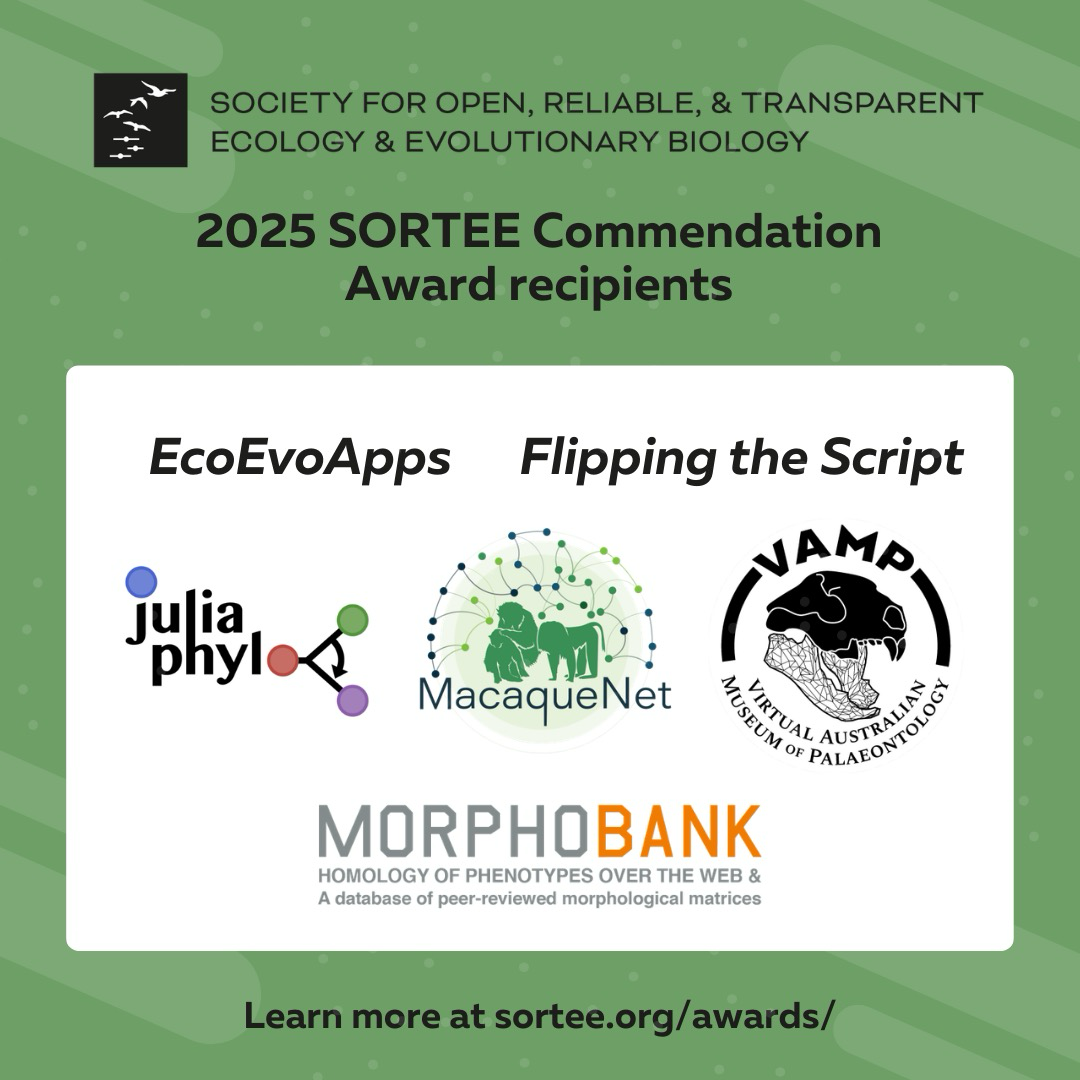
- faculty perspectives on ethical decision making in our discipline.
- Our JuliaPhylo team was honored as an Open Hall of Fame inductee, for our work on an open source software ecosystem for phylogenetics in the Julia language with an active user-contributor community across its publications, repositories, and user group. The Feature Story lists the contributors currently affiliated with UW-Madison, but there are many others!
- Highlight on a program that I co-organized at ICERM on Theory, Methods, and Applications of Quantitative Phylogenetics
- faces of open source
- faces of data science