The UW CATAPULT Project

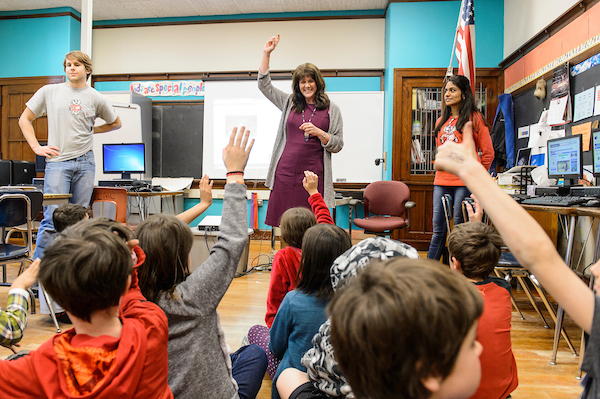
The goal of the UW CATAPULT project is to introduce children to Computer Science. We match UW undergraduates who are interested in educating others about Computer Science with younger students in Madison-area schools.

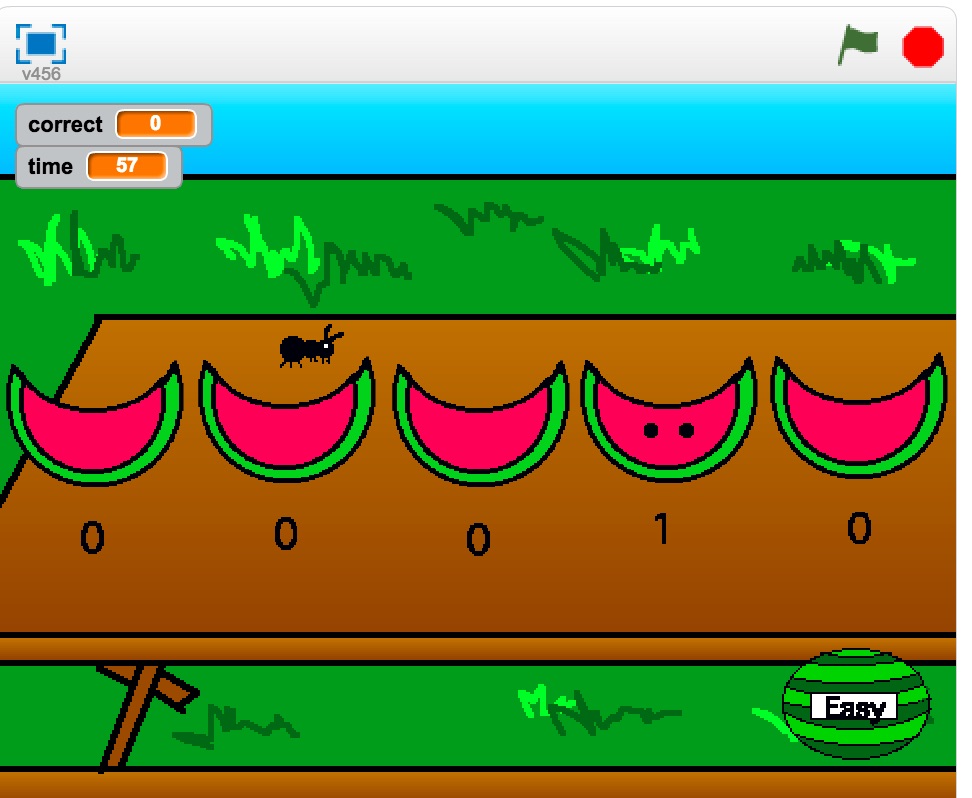
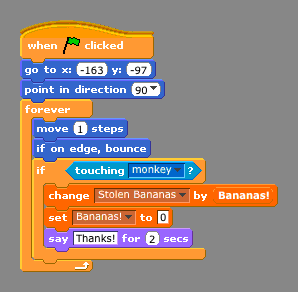
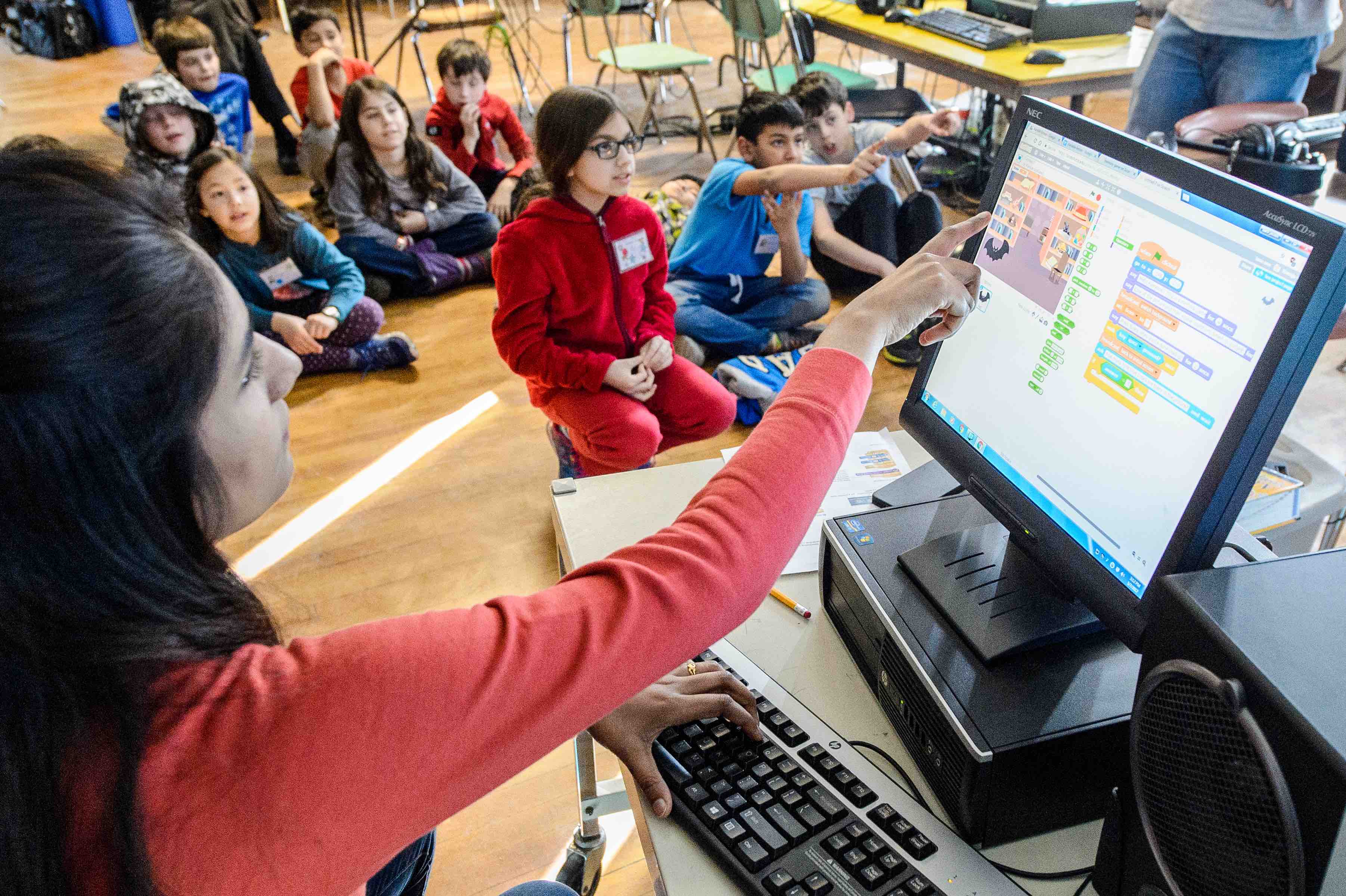
One of our primary goals is to show children that programming is creative and engaging. We teach the children how to program with Scratch, a visual programming language developed at MIT for novice programmers. Scratch enables beginners to create sophisticated programs by simply dragging and dropping predefined instruction blocks. Scratch enables students to be creative and design and implement their own animations, games, stories, and interactive media.

Another one of our goals is to teach children about Computational Thinking. Using material from Computer Science Unplugged, we talk about the fundamental issues of computer science in a highly interactive manner without using a computer. The purpose of most of these activities is to help kids understand how to decompose problems and to develop algorithms.

Are You Interested in Helping?

If you are a UW student interested in teaching younger students, we have a number of opportunities.

Shorewood Fall 2010: In Fall 2010 we plan to continue to run a weekly afterschool club at Shorewood Hills Elementary School for approximately 20 fourth and fifth graders. The Interactive Media Club (IMC) uses the school's computer lab and was very successful in both Fall'08 and Spring'09. Each meeting has both a group lesson (away from the computers!) and then individual programming time with Scratch. The club will meet for ten weeks from 3:20 to 4:30, on either Tuesday or Thursday (depending on scheduling). All UW participants are expected to attend every week.

We are currently looking for several UW participants.

We have a small amount of funding for two "paid" positions. Ideal students for these positions will have taken at least one UW Computer Science course (e.g., CS 202 which focuses on Scratch or CS 302).

The first paid position is to be the primary instructor for the group lesson. With assistance from the supervising faculty member, this person will be responsible for designing and delivering a 20-30 minute group lesson each week using Scratch. We have sample lessons from a previous year which will form a good starting point.

The second paid position is to be in charge of 10 XO laptops and other administrative details (e.g., tracking attendance and setting up materials). This person will be responsible for upgrading the XO laptops to the newest software and instructing some of the children in how to use them. For more information about the XO, see the UW-OLPC project, College of Engineering news and One Laptop Per Child.

We are also looking for four or five volunteers. The volunteer positions do not require previous knowledge of Computer Science or Scratch (though this knowledge is still beneficial!) You will be assigned a small group of 3-4 students and will answer their questions about Scratch during their individual programming time. Our experience has been that simply observing the group lesson is sufficient for the UW volunteers to be able to help the students and little additional prep time is necessary. Undergraduates and graduate students are all encouraged to help!

Previous UW Students

The Catapult project is currently led by CS faculty member Andrea Arpaci-Dusseau. The following UW students have all made essential contributions.
  • Erin Gonzalez, Pa Kou Vang, Phoua Xiong: Undergraduate Research Scholars 2008-2009 (URS) - Volunteered at Shorewood Spring'09
  • Katherine Berres and Jan Chitphakdithai : Residents of Women in Science and Engineering (WISE) Learning Community - Volunteered at Shorewood Spring'09
  • Dan Hawk : URS (2007-2008) - Explored Scratch and developed prototype lessons. Volunteered at Shorewood Fall'08
  • Arizona Jaramillo and Tu Anh Lam Vo : URS (2007-2008) - Explored and evaluated Alice; tested prototype Scratch lessons

Previous Activities

  • Scratch Workshop at Hartland Public Library
  • Assisted with the Girls' 2007 Imaginary Worlds Camp at Calvin College. This two week camp, run by Professor Joel Adams, teaches middle school students how to create computer-generated movies with Alice.
    The local Grand Rapids Fox 17 News visited and provided coverage: Flash and Quicktime

Materials

  • Preliminary version of the Parent's Edition of Computer Science Unplugged. We are making the pdf of this edition available: Text, Handouts, Solution. Be sure to print the handouts single sided. If you have any feedback about this edition, please do not hesitate to let us know!

    What is Computer Science Unplugged?

    Computers are everywhere. We all need to learn how to use them, and many of us use them every day. But how do they work? How do they think? And how can people make them go faster and better? Computer Science is a fascinating subject that explores these very questions. The easy and fun activities in this book, designed for children of a range of ages, introduce you to some of the building blocks of how work computerswithout the children using a computer at all!

    Many of the activities are mathematically based, e.g. exploring binary numbers, mapping and graphs, patterns and sorting problems, and cryptography. Others link in well with the technology curriculum, and the knowledge and understanding of how computers work. The children are actively involved in communication, problem solving, creativity, and thinking skills in a meaningful context.

    What is the Parents' Edition of Unplugged?

    The parent's edition varies from other editions of CS Unplugged in a number of ways.

    • Each activity is completely scripted. Even if you know nothing about computer science or computers, you will be able to guide your child through these activities. Much of the text in previous editions What its all has been incorporated into the script of each activity.
    • The activities are structured around just you, the parent, and your child. The activities that previous required multiple children to participate have been redesigned so that all can be done with just two people.
    • Each activity requires a minimal amount of preparation and materials. Whenever you have the time, the activities are ready for you. In some cases, you do need to cut out cards from the handouts, but that is it. If you have a balance scale and weights, the sorting activity is a lot more fun; but this activity can be performed without special equipment
    • Each activity is structured to require about 15 -20 minutes. Some of the original longer activities have been divided into smaller units.
    • All solutions are provided at the end of the book. Older children can feel free to read along with the parent without any worry that they will see some of the answers to the questions. Each question in the activity is clearly marked with a letter that corresponds to the answer in the solutions.
    • The activities are targetted to children between about ages 6 and 9, or grades 1-3. Many of the activities now include more introductory material with easier examples, in addition to the final activities.